
As we get closer to the holidays, more and more people will be entertaining friends and family in their homes. With guests can sometimes come unforeseen problems with your pets. This month's Trainer Tips is intended to help you with some hints to survive the holidays.
Follow the Rules:
Just because its the holidays doesn't mean you should let your dog get away with bad behaviors. All your normal rules and boundaries you have for your dog (which you should have), should still be enforced. There may also be holiday rules added, such as: pets are not allowed to go within a certain distance of the decoration and present areas. Also alert your guests on how to deal with your pets. It is always best for someone coming into your home to follow the Basic Rule: No Touch, No Talk, No Eye Contact. Instruct your guest to completely ignore your dog until you say otherwise. Guests should not look at the dog, talk to the dog, or touch the dog. Once your dog calms down and is offering good behavior, you may let your guests say hello, if they wish. If your dog is one who likes to jump on guests, remind your guests to turn their back and ignore the dog. It is your job as the owner to gain control. Plan ahead, add a leash before your guests arrive for easier control. Stepping on the leash away from the doorway and allowing your guests to enter without being licked and jumped on is always appreciated.
Schedule & Exercise
 Dog's thrive on a regular schedule, even if it varies slightly from day to day. Over the holidays, many of us take time off work and have people over to the house. This can sometimes cause us to forget the regular schedule our pet requires. So even though we may have a week or two of planned relaxation, don't forget to keep your pet on their schedule. This includes feedings, walks, play and affection times, and even rest times. Don't let the hectic holiday rush affect your dog's happiness.

Also don't forget to make sure your dog has plenty of water. All the holiday commotion can add stress to your dog's day, and therefore increase his/her thirst. Be sure to keep your pup hydrated.
BEFORE your guests arrive (or before you leave to go visiting), make sure you have spent some time with your pup. Don't forget to exercise your pup as much as possible. Remember the old saying…"A tired dog is a good dog." It is very true. If you can wear out your pup a little extra before guests arrive, you will have a much easier time controlling your dog, and your dog will be much less stressed.
Dog Toys & Bones

Make sure your dog has plenty of his own things to keep him entertained. This includes various toys and chew items that will help occupy him when you want to enjoy your guests. If your dog has something he enjoys, he will leave you alone, and more importantly, leave your guests alone. Try Kong toys stuffed with yummy treats and peanut butter, or a good old-fashioned bone.
DECORATIONS

Pets tend to find new things in the house very interesting. Adding holiday decorations to your home can be fun, but remember to keep your pets in mind. If your dog (or cat) cannot be trusted around items such as tinsel, ribbons, bows, plants, and other holiday items, be sure to secure your pet in a separate area when they cannot be supervised.

Every year pets play with and swallow many different types of holiday items. Many of these items can cause serious problems. The last thing we all want or need over the holidays is a very expensive trip to the emergency vet. Keep your pets safe by planning ahead.
 Holiday Food
We all enjoy the large amounts of amazing food over the holidays…so does your dog. Remember that just because dogs will eat dry dog food, doesn't mean they don't like, and want, what you're eating. Be sure to keep your pets out of the kitchen when preparing and eating food. Your pets should always wait to get their meal until AFTER the humans have eaten. This is also helpful because you can then add left-overs to your dog's meal. I actually use this to help save money. Sometimes there are just too many left-overs or you have eaten the same thing for too many days. What then? Add it to your dog's regular meal. Notice I didn't say just give it to your dog, especially not from the table. This will encourage begging, definitely NOT something we want around the holidays (or any time really). Generally speaking, you can add almost anything to your dog's food. Obviously if your dog cannot have certain foods, do not give those items. If you are unsure if something is safe for your dog to have, it is best to not give it to them. Also be aware of the toxins for dogs.
Common Food Items that are Toxic for Dogs:
 This is not a complete list, but covers the basics. If your left-overs contain these items, I would not recommend giving them to your dog. Meats, rice, potatoes, and vegetables (without sauce or garlic) are all good things to throw in. Be sure to mix it in with your dog's regular dry kibble. If you are unsure if a particular food is unsafe, do not give it to your dog. Always error on the side of caution when it comes to your pet's safety.
Follow the Rules:
Just because its the holidays doesn't mean you should let your dog get away with bad behaviors. All your normal rules and boundaries you have for your dog (which you should have), should still be enforced. There may also be holiday rules added, such as: pets are not allowed to go within a certain distance of the decoration and present areas. Also alert your guests on how to deal with your pets. It is always best for someone coming into your home to follow the Basic Rule: No Touch, No Talk, No Eye Contact. Instruct your guest to completely ignore your dog until you say otherwise. Guests should not look at the dog, talk to the dog, or touch the dog. Once your dog calms down and is offering good behavior, you may let your guests say hello, if they wish. If your dog is one who likes to jump on guests, remind your guests to turn their back and ignore the dog. It is your job as the owner to gain control. Plan ahead, add a leash before your guests arrive for easier control. Stepping on the leash away from the doorway and allowing your guests to enter without being licked and jumped on is always appreciated.
Schedule & Exercise
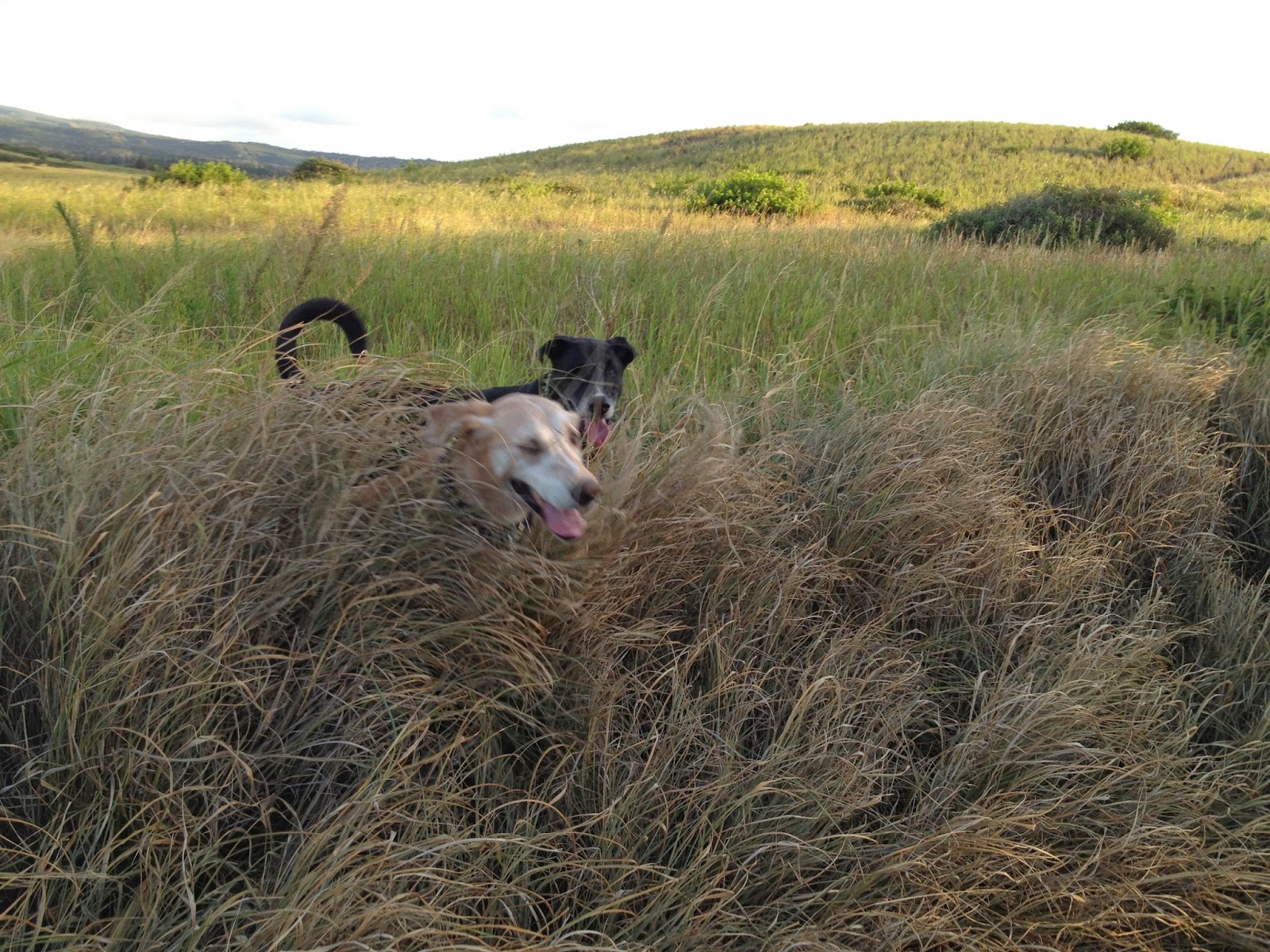 Dog's thrive on a regular schedule, even if it varies slightly from day to day. Over the holidays, many of us take time off work and have people over to the house. This can sometimes cause us to forget the regular schedule our pet requires. So even though we may have a week or two of planned relaxation, don't forget to keep your pet on their schedule. This includes feedings, walks, play and affection times, and even rest times. Don't let the hectic holiday rush affect your dog's happiness.
Also don't forget to make sure your dog has plenty of water. All the holiday commotion can add stress to your dog's day, and therefore increase his/her thirst. Be sure to keep your pup hydrated.
BEFORE your guests arrive (or before you leave to go visiting), make sure you have spent some time with your pup. Don't forget to exercise your pup as much as possible. Remember the old saying…"A tired dog is a good dog." It is very true. If you can wear out your pup a little extra before guests arrive, you will have a much easier time controlling your dog, and your dog will be much less stressed.
Dog Toys & Bones

Make sure your dog has plenty of his own things to keep him entertained. This includes various toys and chew items that will help occupy him when you want to enjoy your guests. If your dog has something he enjoys, he will leave you alone, and more importantly, leave your guests alone. Try Kong toys stuffed with yummy treats and peanut butter, or a good old-fashioned bone.
DECORATIONS

Pets tend to find new things in the house very interesting. Adding holiday decorations to your home can be fun, but remember to keep your pets in mind. If your dog (or cat) cannot be trusted around items such as tinsel, ribbons, bows, plants, and other holiday items, be sure to secure your pet in a separate area when they cannot be supervised.

Every year pets play with and swallow many different types of holiday items. Many of these items can cause serious problems. The last thing we all want or need over the holidays is a very expensive trip to the emergency vet. Keep your pets safe by planning ahead.
 Holiday Food
We all enjoy the large amounts of amazing food over the holidays…so does your dog. Remember that just because dogs will eat dry dog food, doesn't mean they don't like, and want, what you're eating. Be sure to keep your pets out of the kitchen when preparing and eating food. Your pets should always wait to get their meal until AFTER the humans have eaten. This is also helpful because you can then add left-overs to your dog's meal. I actually use this to help save money. Sometimes there are just too many left-overs or you have eaten the same thing for too many days. What then? Add it to your dog's regular meal. Notice I didn't say just give it to your dog, especially not from the table. This will encourage begging, definitely NOT something we want around the holidays (or any time really). Generally speaking, you can add almost anything to your dog's food. Obviously if your dog cannot have certain foods, do not give those items. If you are unsure if something is safe for your dog to have, it is best to not give it to them. Also be aware of the toxins for dogs.
Common Food Items that are Toxic for Dogs:
Alcohol
Avocado
Chocolate
Coffee/ Caffeine
Avocado
Chocolate
Coffee/ Caffeine
Garlic
Onions
Macadamia Nuts
Milk & Dairy
Walnuts
Most nuts in general
Macadamia Nuts
Milk & Dairy
Walnuts
Most nuts in general
Grapes & Raisins
many fruit seeds and some skins
raw meat or eggs
Yeast dough
For a complete list of items toxic to pets, visit the Pet Poison Helpline.
many fruit seeds and some skins
raw meat or eggs
Yeast dough
For a complete list of items toxic to pets, visit the Pet Poison Helpline.
 This is not a complete list, but covers the basics. If your left-overs contain these items, I would not recommend giving them to your dog. Meats, rice, potatoes, and vegetables (without sauce or garlic) are all good things to throw in. Be sure to mix it in with your dog's regular dry kibble. If you are unsure if a particular food is unsafe, do not give it to your dog. Always error on the side of caution when it comes to your pet's safety.
Have a fun and safe holiday season.


